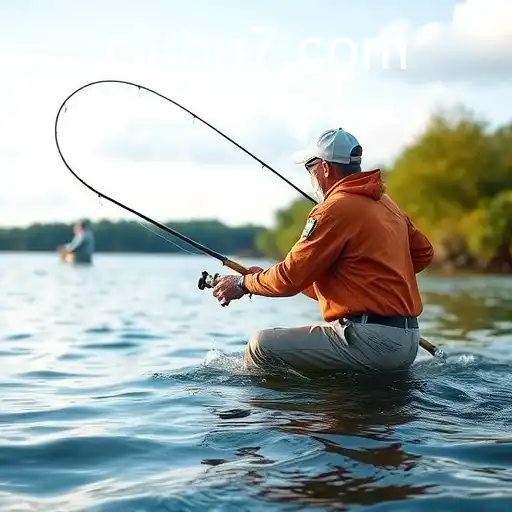
Exploring the Exciting World of Fishing
Fishing stands as one of the most beloved pastimes across the globe, embraced by countless enthusiasts who cherish the tranquility and anticipation it offers. Whether one is casting a line into an expansive ocean or a tranquil freshwater lake, the experience is both rewarding and thrilling. In this article, we dive deep into the world of fishing, exploring its various types, techniques, and the joy it brings to millions.
The Allure of Fishing
The art of fishing has been around for centuries, serving not only as a means of livelihood but also as a hobby for people from all walks of life. What makes fishing so captivating? It's the perfect blend of skill, patience, and the connection with nature that draws people to this age-old activity.
Fishing allows individuals to escape from the hustle and bustle of everyday life, offering a serene environment where they can relax and reflect. As one casts their line, they are not merely hoping to catch fish but also seeking solace and a sense of accomplishment.
Diverse Types of Fishing
Fishing is not a monolithic activity; it comes in various forms, each with its own set of techniques and charm:
1. Freshwater Fishing This type of fishing takes place in rivers, lakes, and ponds. It offers a diverse range of fish species including bass, trout, and catfish. Anglers often use bait such as worms, small fish, or artificial lures.
2. Saltwater Fishing Fishing in the ocean presents a whole new level of excitement and challenges. Here, anglers target larger fish like marlin, tuna, and sharks using specialized equipment. The vastness of the sea and the variety of fish make it an adventurous experience.
3. Fly Fishing Known for its elegance, fly fishing requires skill and precision. Anglers use a lightweight lure-called a fly-to mimic the behavior of insects on the water's surface. This technique is often used in freshwater environments to catch trout and salmon.
4. Ice Fishing This unique form of fishing involves drilling holes in frozen lakes to catch fish beneath the ice. It requires specialized gear to withstand the cold and can be a social experience often enjoyed in small groups.
Essential Fishing Techniques
Different types of fishing require distinct techniques. Here are some of the most popular methods:
1. Bait and Lure Fishing The most traditional form of fishing involves using live bait or artificial lures to attract fish. This technique can be applied in both freshwater and saltwater environments. Selection of the right bait or lure is crucial for a successful catch.
2. Trolling Trolling involves dragging baited lines or lures behind a moving boat. This technique is especially effective in covering large water areas and is commonly used in both saltwater and freshwater fishing.
3. Jigging This technique involves moving a lure up and down in the water to mimic the movement of prey. Jigging is versatile and can be used in deep sea, freshwater, and even ice fishing to attract predatory fish.
4. Cast and Retrieve Widely used in various fishing types, cast and retrieve involves casting the line and slowly reeling it back. This technique is particularly effective with lures and can be adapted to target specific fish species.
The Role of Community in Fishing
Fishing is more than just an individual sport; it has cultivated vibrant communities worldwide. Platforms such as N7CLUB.COM provide anglers with a space to share their experiences, tips, and reviews of fishing gear. These communities are invaluable for both beginners seeking knowledge and seasoned anglers looking to share their expertise.
Fishing clubs and online forums help preserve fishing traditions and promote sustainable practices. Members exchange information about optimal fishing spots, innovative techniques, and the latest gear. By fostering connections, these platforms ensure fishing continues to be a cherished activity for generations.
Environmental Considerations in Fishing
As enthusiasts revel in the joy of fishing, it is essential to acknowledge our ecological responsibility. Sustainable fishing practices are critical in conserving fish populations and protecting aquatic environments. Anglers are increasingly adopting catch-and-release techniques to help maintain natural fish numbers.
Organizations and governments worldwide advocate for conservation rules such as fishing quotas and protected areas to safeguard marine biodiversity. By respecting these regulations, anglers contribute to preserving the habitats they cherish and ensure future generations can enjoy fishing.
Conclusion
Fishing is a remarkable activity that transcends the act of catching fish, offering enthusiasts a unique way to unwind, connect with nature, and contribute to community knowledge. As we continue to explore the world of fishing, it's vital to embrace sustainable practices that protect the marine and freshwater ecosystems we hold dear.